GPON vs. Fiber: Understanding the Difference
Fiber optic technology has transformed our connectivity, and two main types of fiber optic networks—GPON (Gigabit Passive Optical Network) and traditional fiber optic connections—serve distinct roles in today’s digital landscape.
What is GPON?
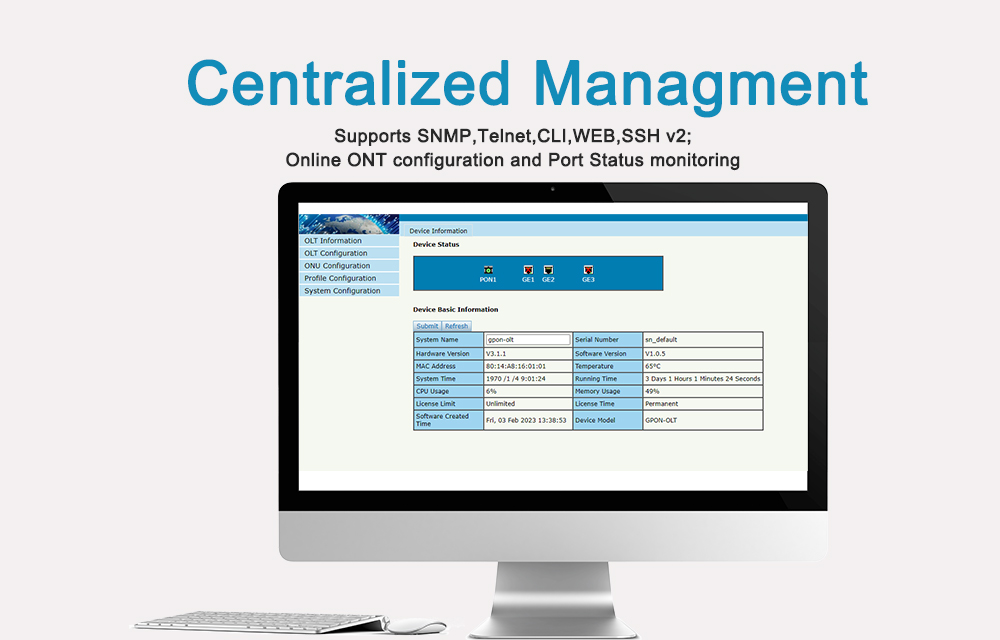
GPON represents a fiber-to-the-x (FTTx) technology that leverages high-speed data transmission over fiber optic cables. This system employs a passive optical network (PON) architecture. It does not necessitate active electronic equipment at every user endpoint. Instead, it uses optical splitters to divide a single fiber optic line among multiple users, including devices like the GPON EPON OLT which allows for effective data distribution and management.
What is Traditional Fiber?
In contrast, traditional fiber optic connections (point-to-point fiber) provide each user with a dedicated fiber optic cable. This point-to-point setup enhances bandwidth and minimizes latency, ensuring high-performance standards suitable for critical applications.
Key Differences
Network Architecture: GPON networks utilize a shared architecture, significantly lowering infrastructure costs, especially evidenced in GPON OLT deployments within residential areas or SMBs. Traditional fiber, on the other hand, establishes a direct connection to the network for every end user, typical in setups involving EPON OLT for dedicated bandwidth.
Bandwidth Sharing: In GPON, bandwidth is divided among all users connected via a common local terminal, which can affect speeds during peak times compared to the dedicated bandwidth in point-to-point fiber.
Cost: Deployment of a GPON EPON OLT within a GPON architecture is generally more cost-efficient due to fewer fiber strands being used.
Latency: Traditional fiber offers lower latency due to each user having a dedicated line, making it ideal for data-sensitive applications like financial services or health care systems.
Application Scenarios
GPON:
Ideal for providing broadband to residential areas.
Suitable for backhauling data in small/medium business setups.
Common in FTTH and FTTB projects, where a GPON OLT is effectively utilized.
Traditional Fiber:
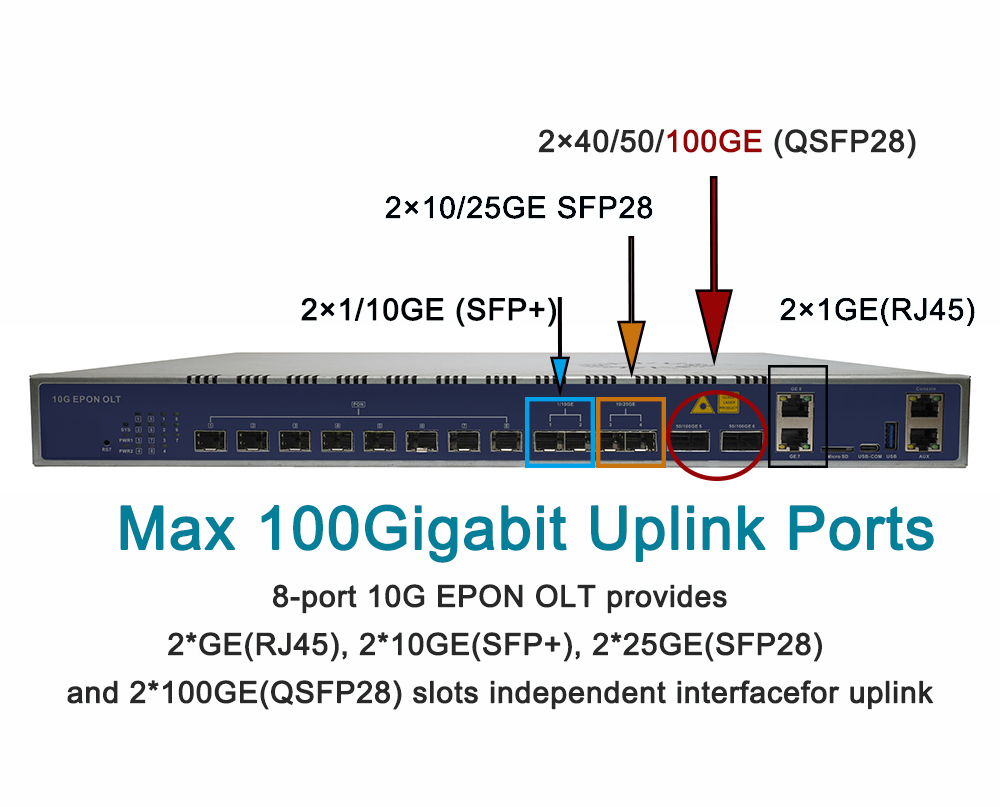
Critical for use in data centers and enterprise networks with EPON OLT.
Essential for long-haul telecommunications requiring robust, uninterrupted data flow.
Preferred in fields requiring extensive data computation and transfer, such as scientific research or high-performance computing environments.
Industries Benefiting from Fiber Technology
From telecommunications to healthcare, education to finance, government, and manufacturing sectors—all rely extensively on either GPON or traditional fiber techniques to maintain efficient, reliable network communications.
Our Expertise
Our company stands at the forefront of offering tailored fiber optic solutions, including both GPON and traditional fiber systems. Our range of services comprises fiber optic cable design, GPON EPON OLT deployment, network management, fiber optic testing, and more.
Contact Us Today
For businesses and organizations ready to enhance their network infrastructure, our team is equipped to guide you in choosing and implementing the most suitable fiber optic technology. Whether your focus is expanding a residential network with GPON OLT or setting up a dedicated enterprise network using EPON OLT technology, we’re here to help. Contact us today to take the next step in your network’s evolution.