

In the dynamic landscape of fiber optic splitter technology, fiber PLC splitters and fiber FBT splitters have emerged as game-changers, heralding a new chapter in network efficiency and reliability for end-users. Their impact on the FTTH (Fiber-to-the-Home) optical node ecosystem is set to be transformative, with far-reaching implications for high-speed internet access.
Fiber PLC splitter have seen a major upgrade in design. Picture a miniature circuit board, but instead of electrical signals, it’s handling light. By leveraging the same semiconductor manufacturing wizardry used in high-end microchips, these splitters manage to keep insertion losses incredibly low. Think of it like a well-oiled machine where there’s minimal friction—less energy is wasted, and more light reaches its destination. In an FTTH setup, this means that whether you’re binge-watching the latest 4K series or participating in a high-stakes virtual reality gaming tournament, the signal stays sharp and steady, without those annoying lags or pixelated interruptions.
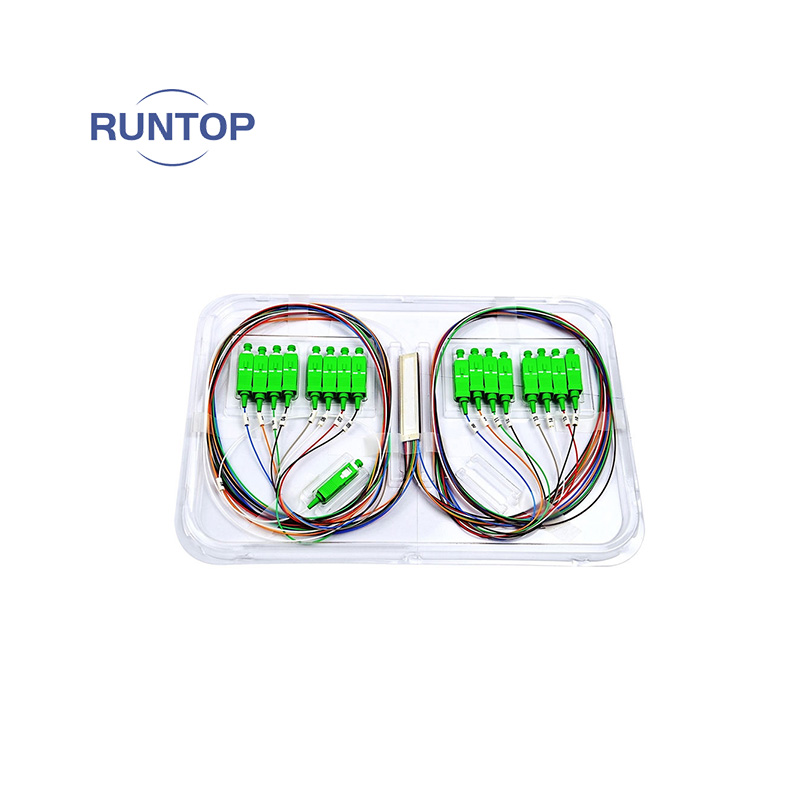
Fiber FBT splitter, on the other hand, have upped their game in terms of versatility. Their optimized manufacturing processes are like a tailor’s custom-fit service for network needs. Need to split a signal for just two households? The basic 1x2 configuration has you covered. Or perhaps you’re outfitting an entire apartment complex—then the more complex 1x32 setup steps in. What’s more, they’re built tough. Imagine a storm rolling in, with wild temperature swings and humidity through the roof. Thanks to their rugged construction, these splitters keep chugging along, maintaining consistent performance and ensuring your internet connection doesn’t skip a beat.
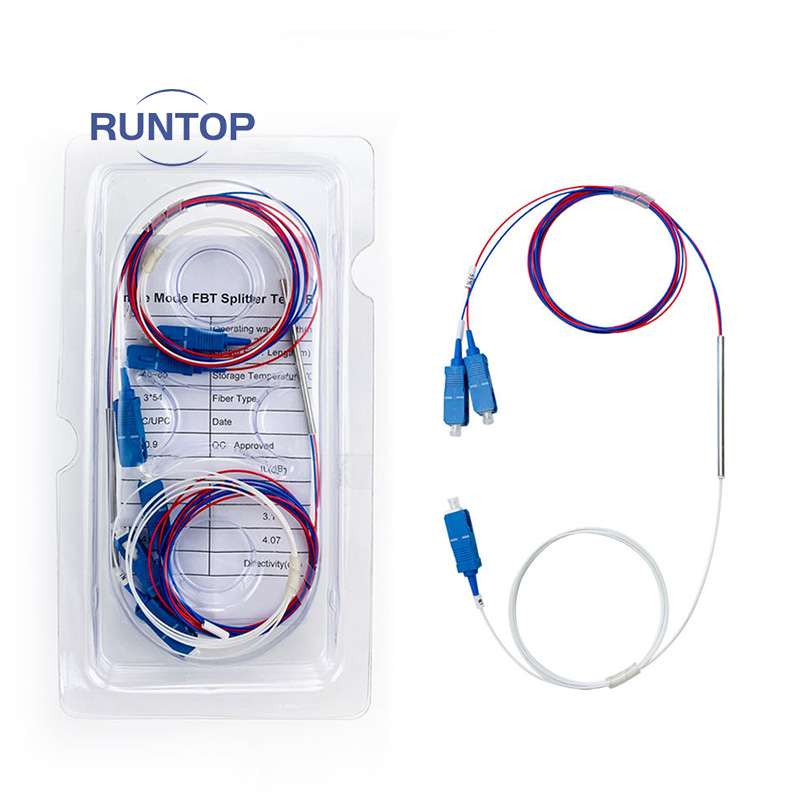
The synergy between these advanced fiber optic splitter technologies and FTTH optical nodes is a match made in network heaven. When the latest fiber PLC and FBT splitters are integrated, it’s like upgrading from an old clunky car to a sleek, modern vehicle. Installation becomes a breeze, maintenance is a lot less headache-inducing, and with fewer parts and lower power usage, the bills for running these networks shrink. Service providers love it because it means fatter profit margins, and consumers get to enjoy high-speed fiber internet that’s not only faster but also easier on the wallet.
Industry insiders are abuzz about these developments. “This isn’t just an incremental step forward,” noted one veteran engineer. “These enhanced fiber optic splitters are the driving force that will shape the future of high-speed, dependable FTTH networks. Soon, faster and more stable internet won’t be a luxury—it’ll be the norm for households around the globe.”
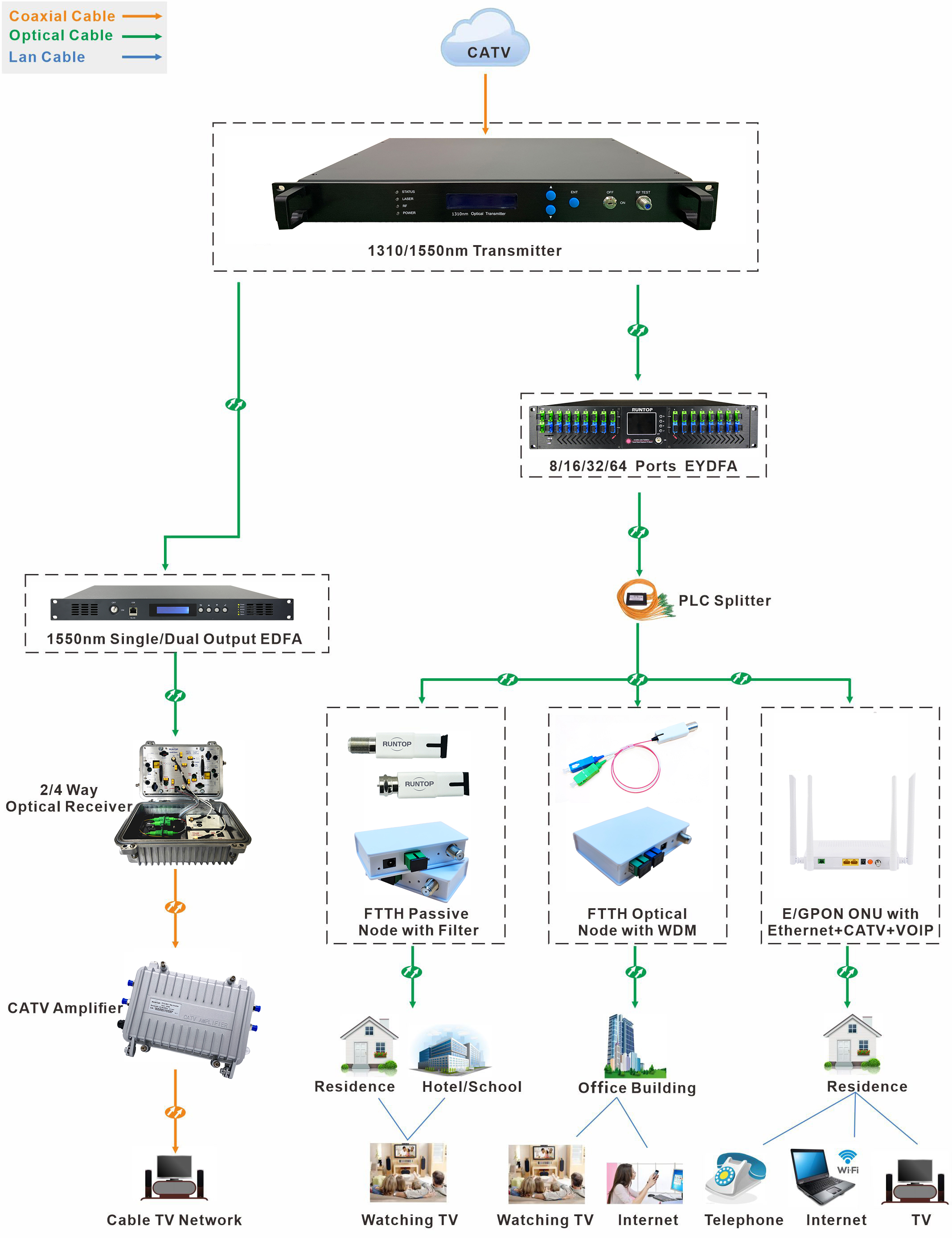
With the excitement building, major telecommunications players and network integration firms are gearing up to put these new fiber optic splitters to the test in real-world FTTH setups. As plans for a large-scale rollout gain momentum over the next few months, it’s clear that we’re on the cusp of a new era in fiber optic network infrastructure, one that promises to redefine how we connect and communicate.