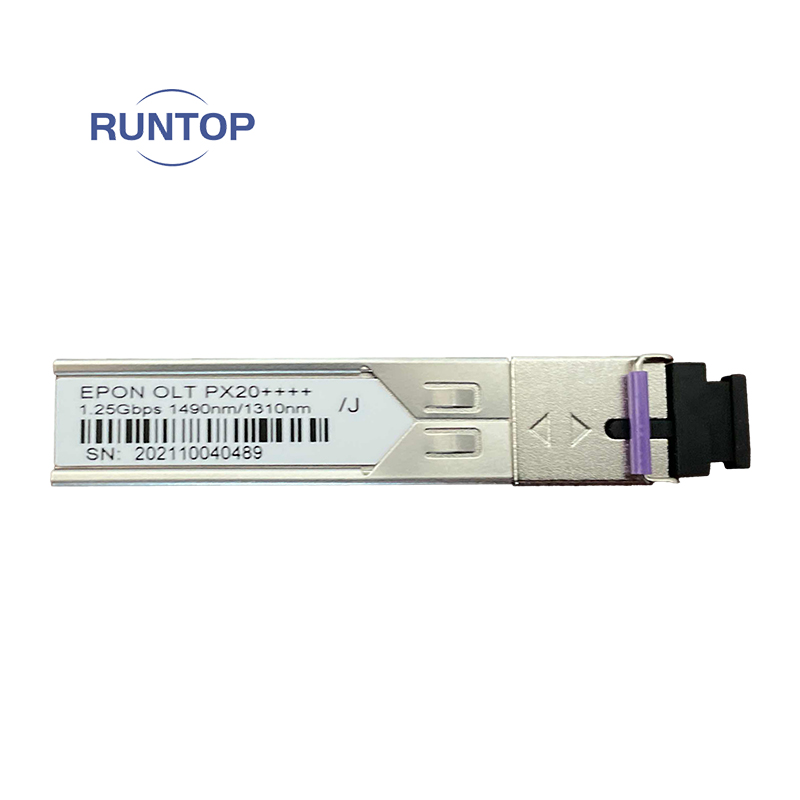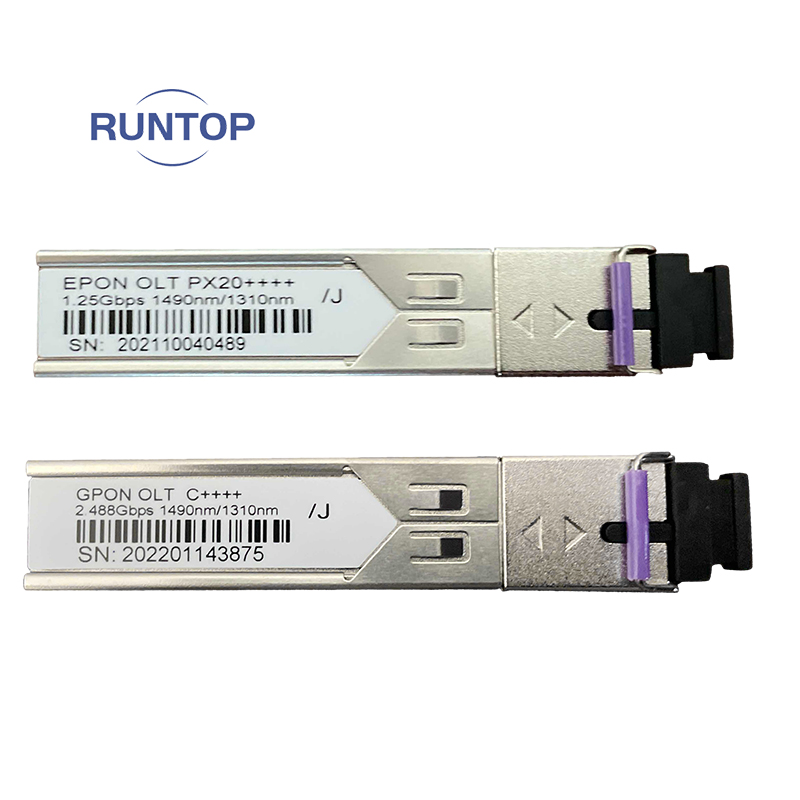
SFP (Small Form-factor Pluggable) module is a compact, hot-swappable device that converts electrical signals to optical or copper signals for network communication, connecting network devices like switches and routers to various types of cabling. The term "SFP MODEL" refers to the various types of these modules, which are differentiated by their specifications, such as distance, media type (e.g., fiber optic or copper), and wavelength.
Key uses of SFP modules
Interconnecting network devices: SFPs are crucial for linking devices within a network, such as connecting switches to each other, to servers, or to storage devices.
Adapting connection types: They allow a single port to be used for either fiber optic or copper connections, providing flexibility in a network's physical infrastructure.
Enabling high-speed transmission:SFP are used for high-speed data transfer, especially over long distances, by converting signals for fiber networks.
Facilitating network upgrades: Because they are hot-swappable, an SFP module can be replaced with a different type to upgrade the speed or change the connection without shutting down the entire system.
Providing redundancy: They can be used to create backup connections, ensuring network continuity if a primary connection fails.
Supporting various communication standards: Different SFP models support various standards like Gigabit Ethernet, Fibre Channel, and SONET, depending on the specific application and speed requirements
.
The benefits of SFP (Small Form-Factor Pluggable) include flexibility for media and distance, scalability to support future upgrades, and high-speed data transfer capabilities. Additionally, SFP modules are hot-swappable, allowing for maintenance and upgrades without network downtime, and can improve network reliability through the use of fiber optics.